
Similar available products
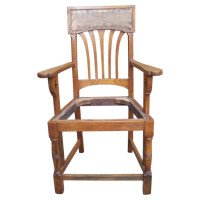
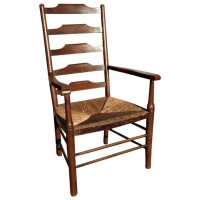
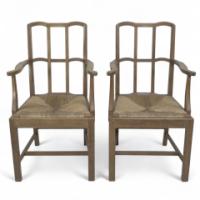
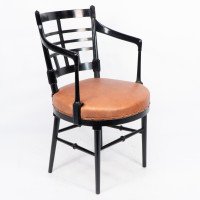
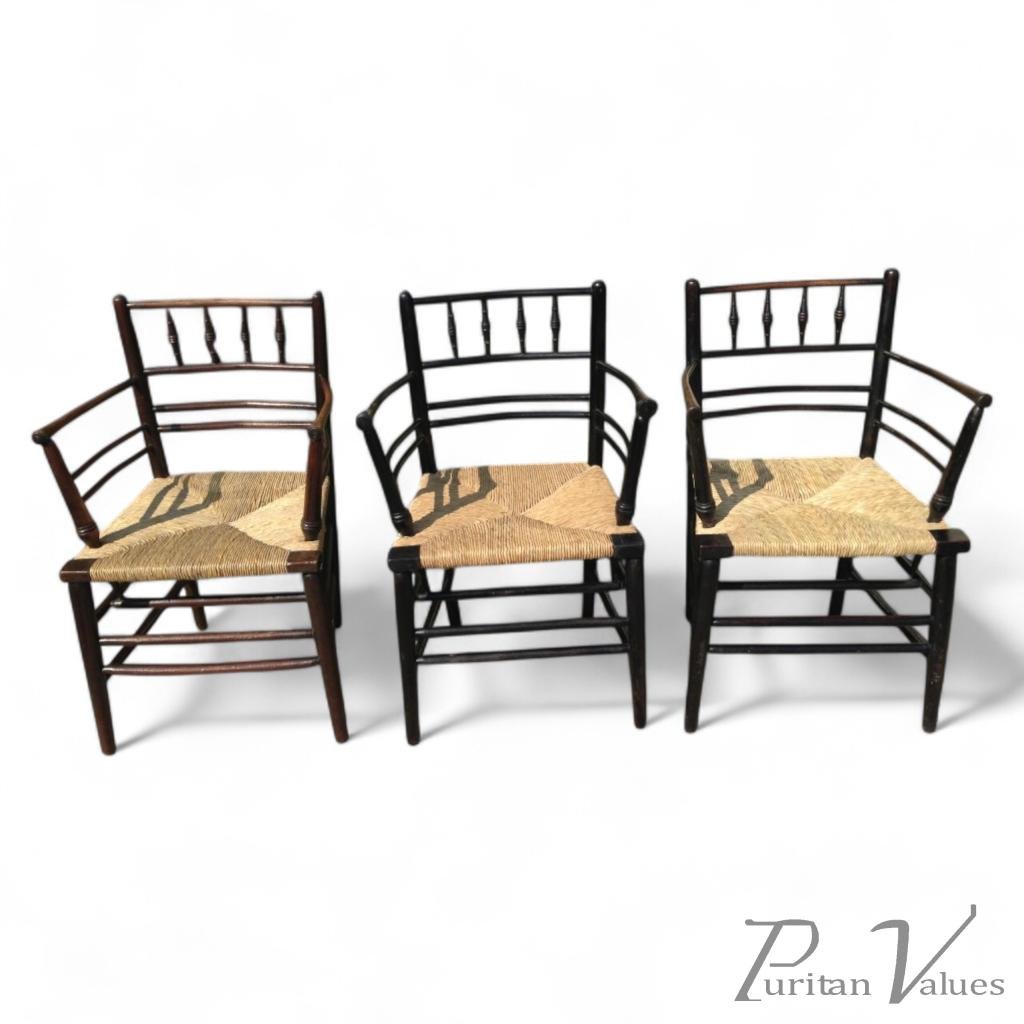
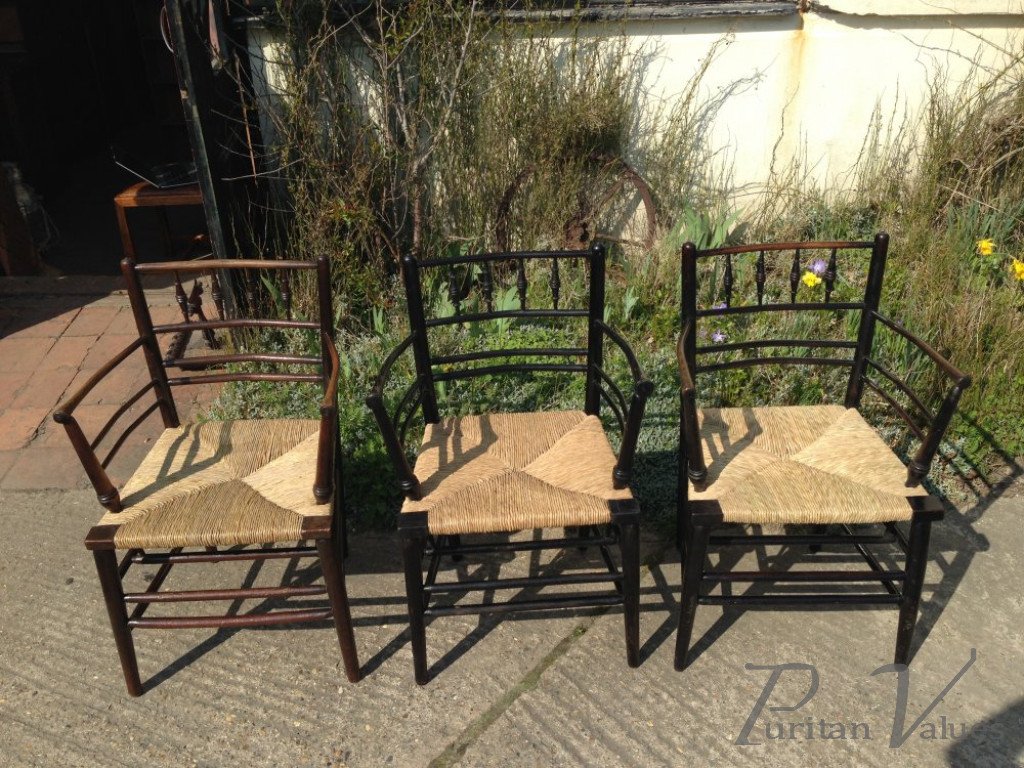
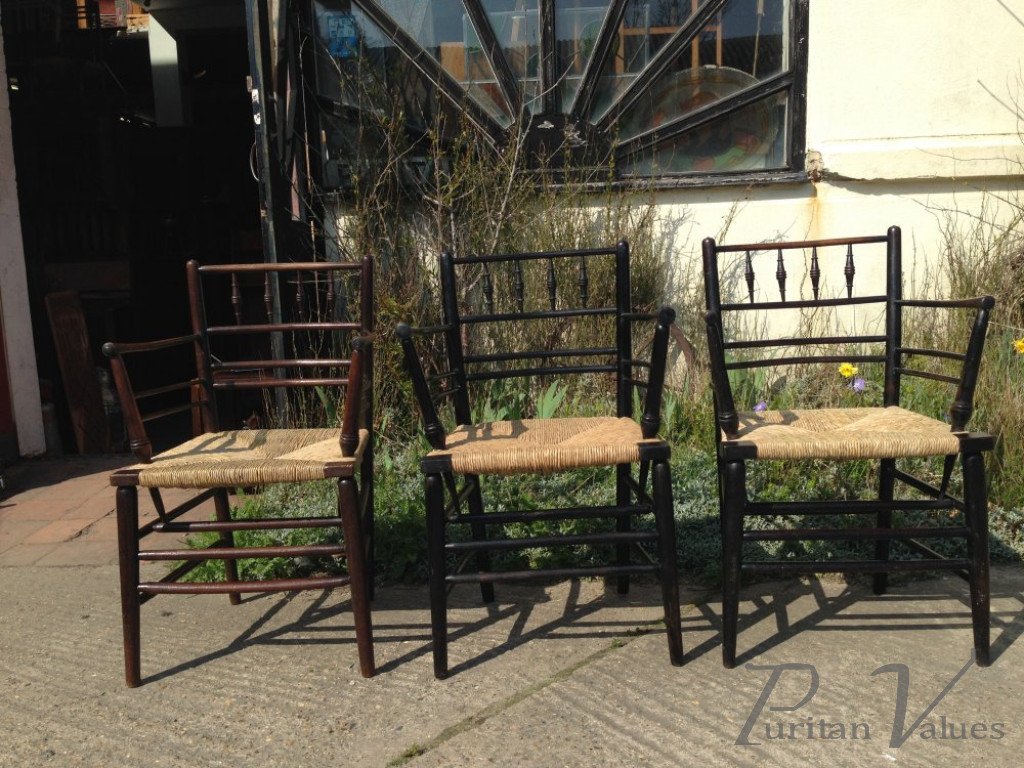
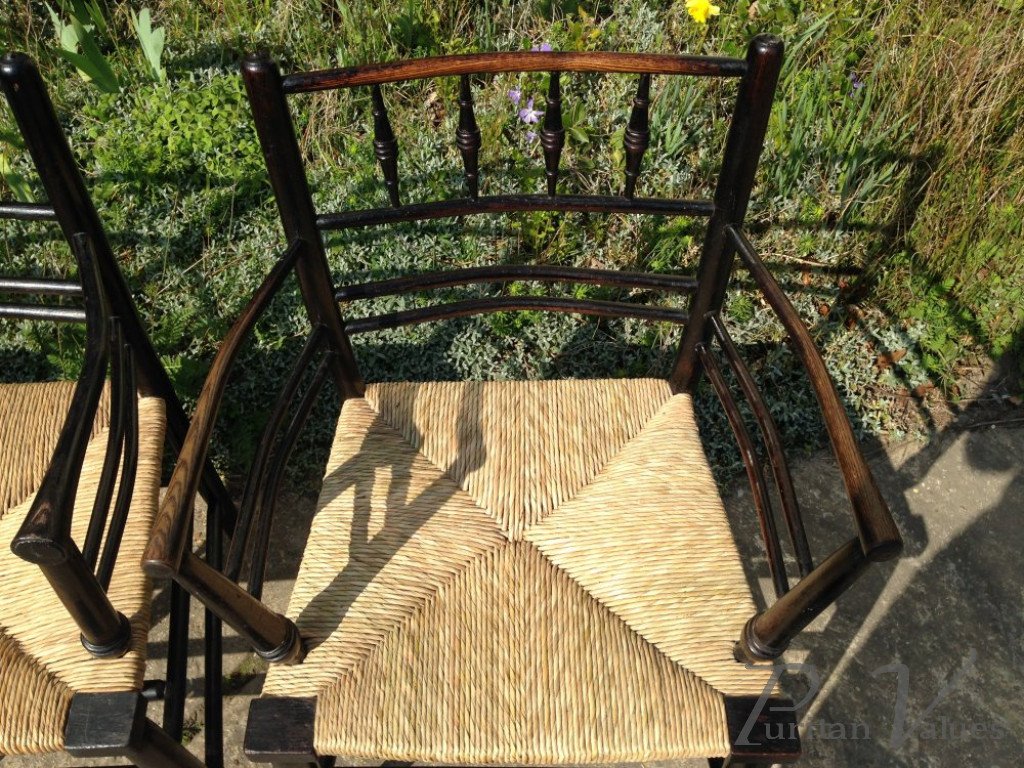
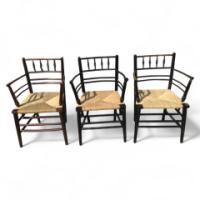
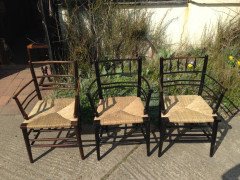
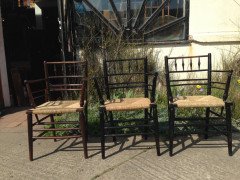
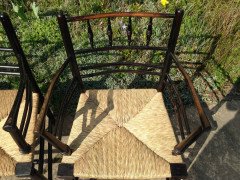
William Morris. A Sussex rush-seated chair
SOLD
About this piece
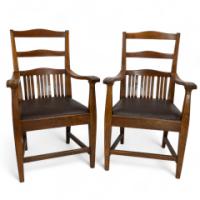
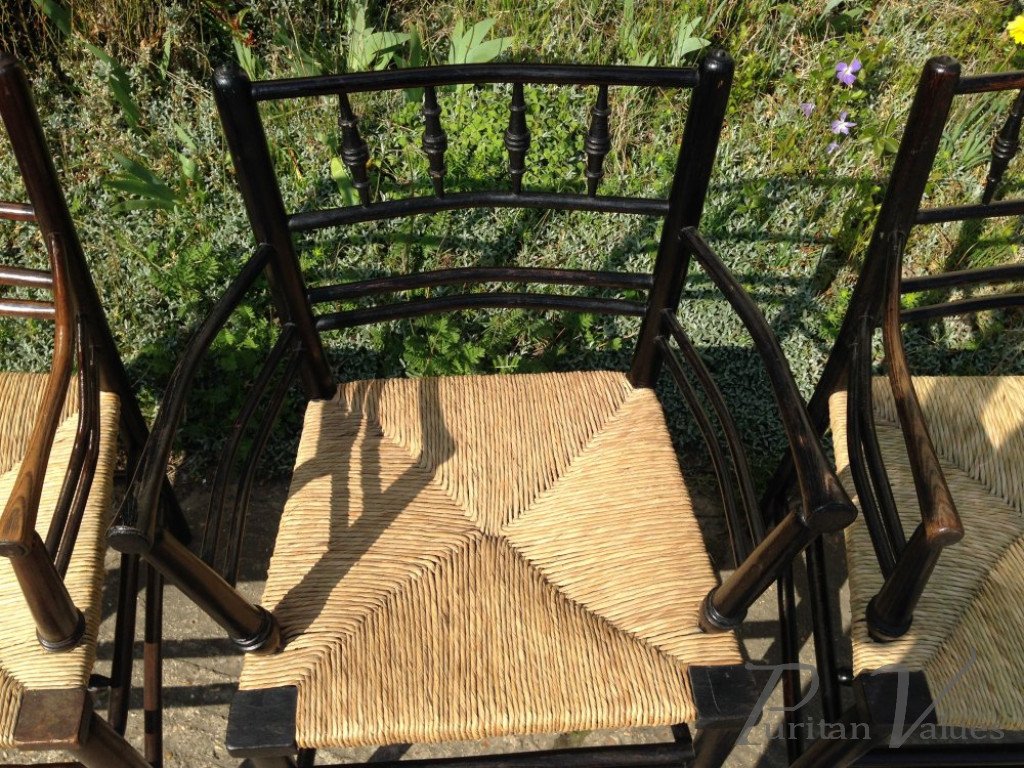
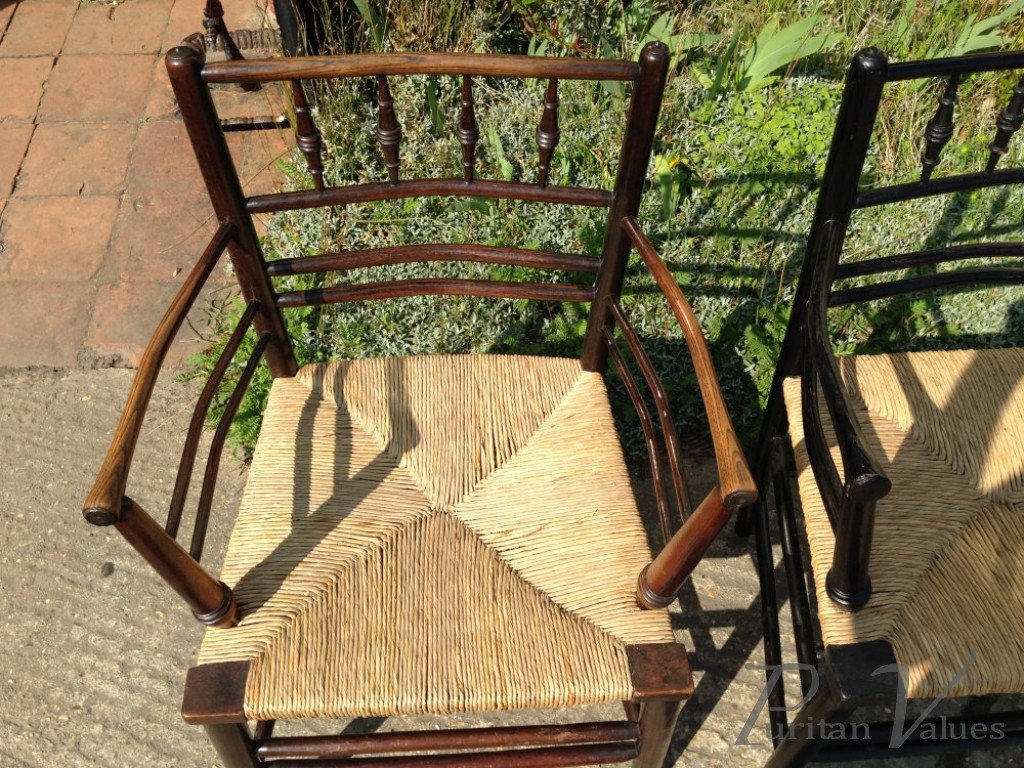
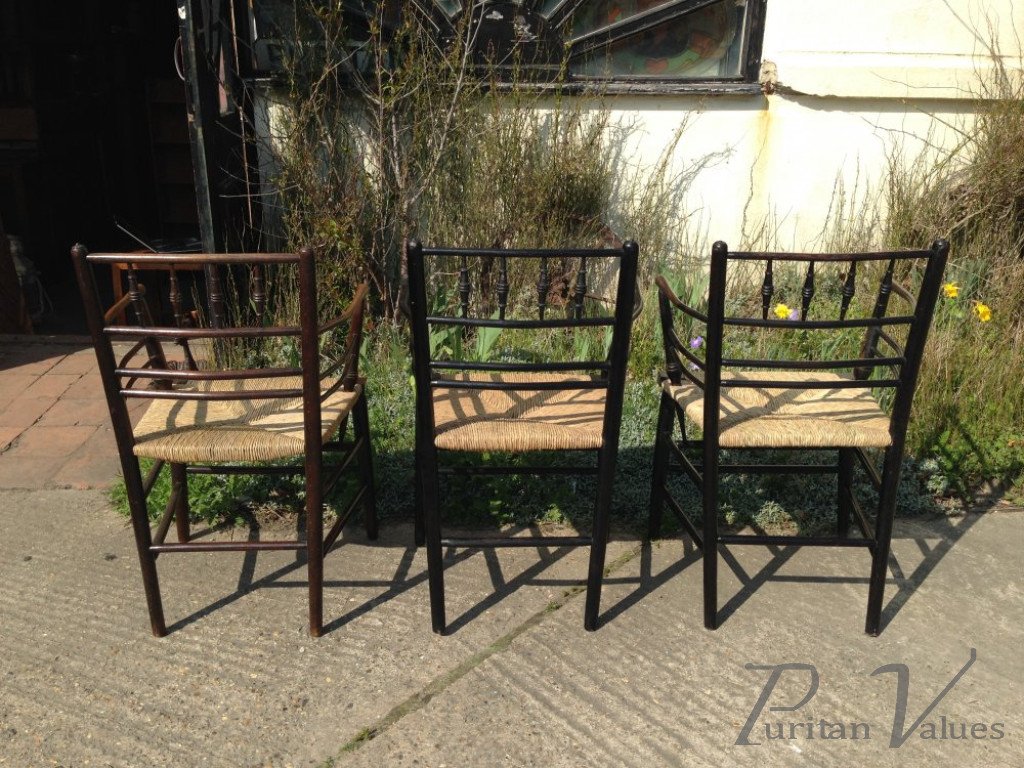
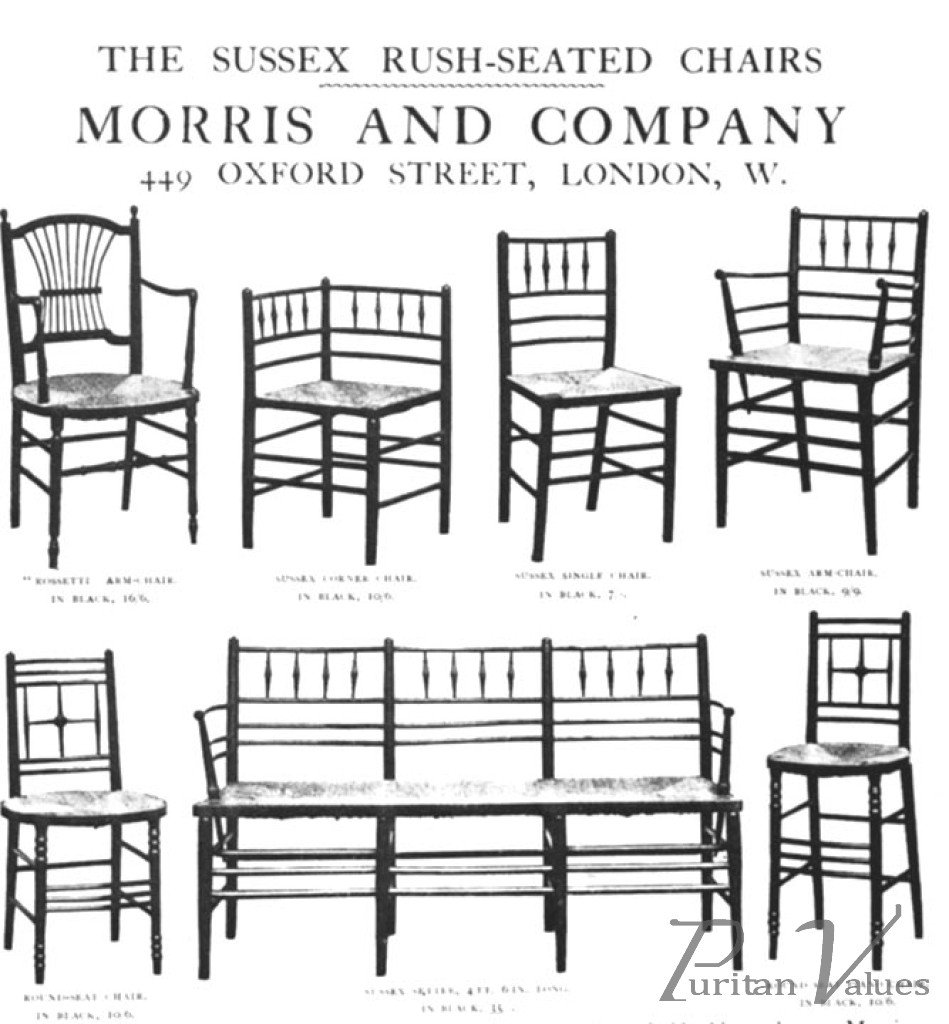
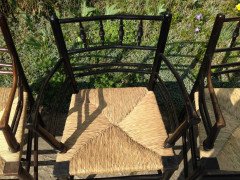
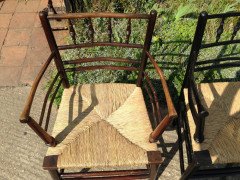
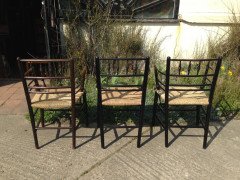
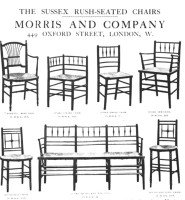
The Sussex rush-seated chair Of all the specific minor improvements in common household objects due to Morris, the rush-bottomed Sussex chair perhaps takes the first place. It was not his own invention, but was copied with trifling improvements from an old chair of village manufacture in Sussex. With or without modification it has been taken up by all the modern manufacturer's and is in almost UNIVERSAL use. But the Morris pattern of the later type (there were two) still EXCELS all others in simplicity and elegance of proportion. "Life of William Morris" Prof.J.W.Macktail. An appendage to an advertisement post-1899. These commercial Hi-bred's, were adapted and re-invented, because most of the better quality items were only available for the up and coming then firmly established, middle classes. It was here that Morris tried and succeeded in selling a quality item to the masses and not just the affluent High Society and Wealthy Patrons, who were in the end the only people who could afford the incredulous skill of Morris, his enormous energy and equally skilled friends and collaborators. There was then, much more Superior quality in contemporary design (now Period Design) and much more choice, but only for the affluent middle classes and this was because the Industrial Revolution was expanding at an enormous rate, bringing with it wealth to the middle classes. How free Morris was 'an amazingly imaginative child', who followed a dream, with his circle of close friends and admirers which then became a living dream, created in their own world inspired from Medievalism and from King Arthur's time. He was the voice of social revolution on a crusade for Liberty, Equality and Fraternity. He achieved unsurpassable heights passionately, beautifully, romantically and poetically, harmoniously, functionally, always with superior quality with nature and with the most vivid colour's often invented by himself. CH 73 - Two Morris and Co Sussex armchairs. Both with fine rush seats and original finish. The centre one is now sold. DID U KNOW. that Ford Maddox Brown persuaded the firm to sell them and Dante Gabriel Rossetti designed the lyre or fiddle back version aptly named "The Rossetti Chair" and when they have to be re-rushed, the arms and the two stretchers just below it have to be removed from the upper back leg, once the rusher has re-laid the rush, only then can they be inserted and glued back together, believe me there is an art to get them back into place because the tolerance's are so close, which is why they are a very strong armchair indeed and also why so many have survived. Circa 1865 and into the 20th Century. All three are now sold.